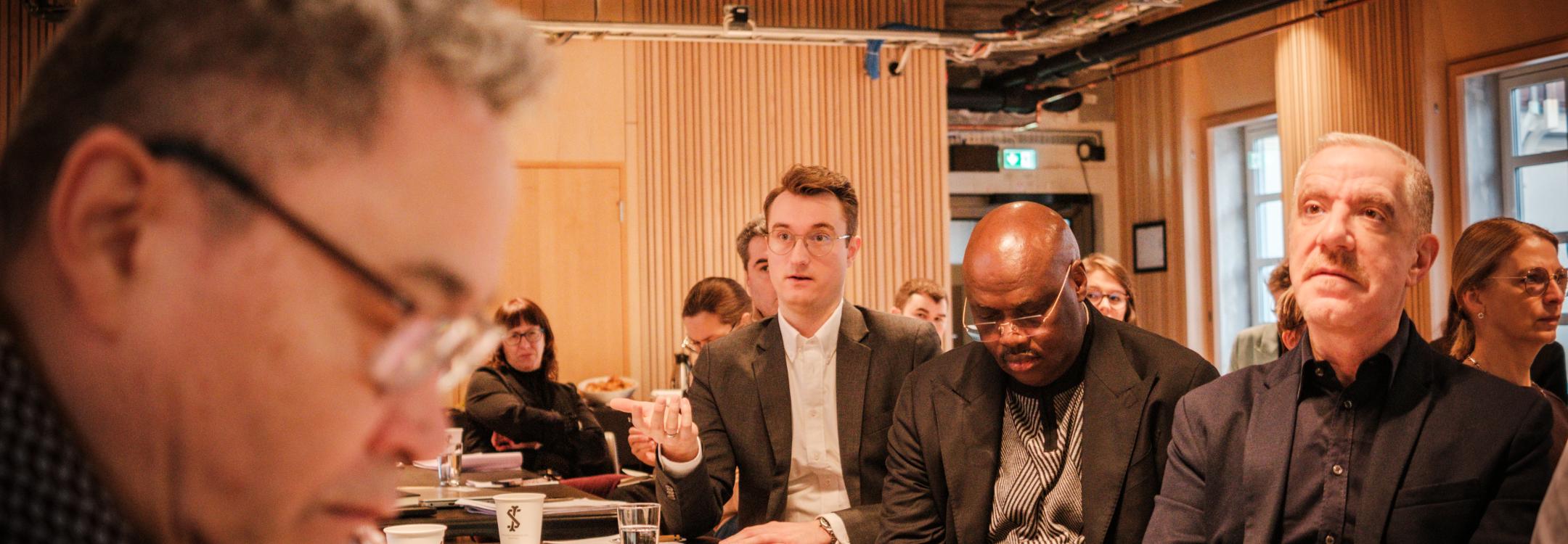
The Association for the Prevention of Torture, the International Ombudsman Institute and the Norwegian Parliamentary Ombudsman brought together around 30 representatives of National Preventive Mechanisms (NPMs) and ombudsman institutions in Oslo, Norway, from 9–11 February 2026 for a three-day workshop. The event focused on two intertwined challenges: preventing ill-treatment in mental health institutions, and sustaining impact after years of monitoring.
Participants joined from across Europe, Africa, the Americas and the Pacific — reflecting the growing global attention to the specific risks linked to deprivation of liberty in psychiatric and social care settings.
A preventive lens on mental health
The first day explored why monitoring mental health institutions requires a distinct preventive approach. Participants examined the particular risks linked to coercive measures, involuntary placement and treatment, seclusion, restraints, medication practices and access to safeguards. International standards — including the CRPD, CAT and OPCAT frameworks — were discussed alongside regional guidance and practical experiences from NPMs.
The workshop enabled participants to map high-risk situations and corresponding safeguards, integrating an intersectional lens. Discussions highlighted the importance of independent medical oversight, effective complaints mechanisms, access to legal counsel, and meaningful engagement with persons with lived experience. The exchange of concrete practices — from documentation of medical files to cooperation with civil society, legal actors and professional associations — was repeatedly cited as one of the most valuable aspects of the workshop.
Interviewing in mental health facilities was a central theme. Through expert and lived experience input, peer presentations and role-play exercises, participants explored trauma-informed techniques, building trust and navigating interviews where capacity or communication may fluctuate. Participants noted that understanding the “patient view” and learning from lived experience perspectives was particularly impactful.
From monitoring to change
The second and third days shifted the focus from visits to reform. Through group work and shared discussions, NPMs reflected on real cases where change had occurred — and what had made the difference. Participants identified sustained follow-up, constructive dialogue with authorities, data collection over time and coalition-building as key drivers of reform.
A panel featuring long-standing NPMs addressed how to maintain momentum after years of monitoring. Discussions tackled institutional fatigue, tracking implementation of recommendations, and adapting strategies in changing political contexts. Several participants expressed interest in further exploring recommendation drafting and follow-up methodologies.
Strategic communication emerged as a dynamic area of discussion. Participants debated how to balance independence with public relevance, how to engage responsibly with journalists, and how visuals, data and human stories can enhance preventive impact without compromising confidentiality.
The final morning introduced a creative “Photo Lab”, inviting NPMs to reflect on how images could ethically and effectively communicate systemic issues in detention. The exercise prompted reflection on framing, narrative and the power of visual evidence — and was singled out by several participants as a highlight.
Strong feedback and forward commitments
Feedback from participants was overwhelmingly positive. The vast majority rated the workshop as “extremely useful” and reported significant improvements in knowledge and skills. Many indicated plans to share learning with colleagues and authorities, develop practical checklists, and conduct follow-up training within their own institutions.
Participants particularly valued:
- The practical and interactive format;
- The exchange of concrete case studies and lived experiences;
- The focus on translating monitoring into tangible change;
- The safe and collegial environment for discussion.
Several suggestions pointed to future areas for development, including deeper discussion on recommendation crafting, monitoring implementation, and expanding similar workshops to other settings such as elderly and social care institutions.
As one participant reflected, the contacts made and lessons learned “will be applied for many years.”
By bringing together technical expertise, lived experience perspectives and strategic thinking on influence, the workshop reinforced a central message: preventive monitoring in mental health institutions is not only about identifying risks — it is about sustaining dialogue, building alliances and creating durable change.